

How Charitable Giving Can Fit into Your Financial Plan

Incorporating a Charitable Giving Plan into Your Financial Strategy to Support Philanthropic Goals Charitable giving is a meaningful way to support causes while also incorporating philanthropy into a broader financial strategy. Whether you are donating to a nonprofit, setting up a donor-advised fund, or including charitable contributions in estate planning, there are various methods to integrate giving into your financial decisions. Understanding the tax implications, donation strategies, and long-term planning aspects of charitable giving can help you align your philanthropic goals with your financial circumstances.
Preparing for Open Enrollment: Healthcare and Benefits Planning Tips
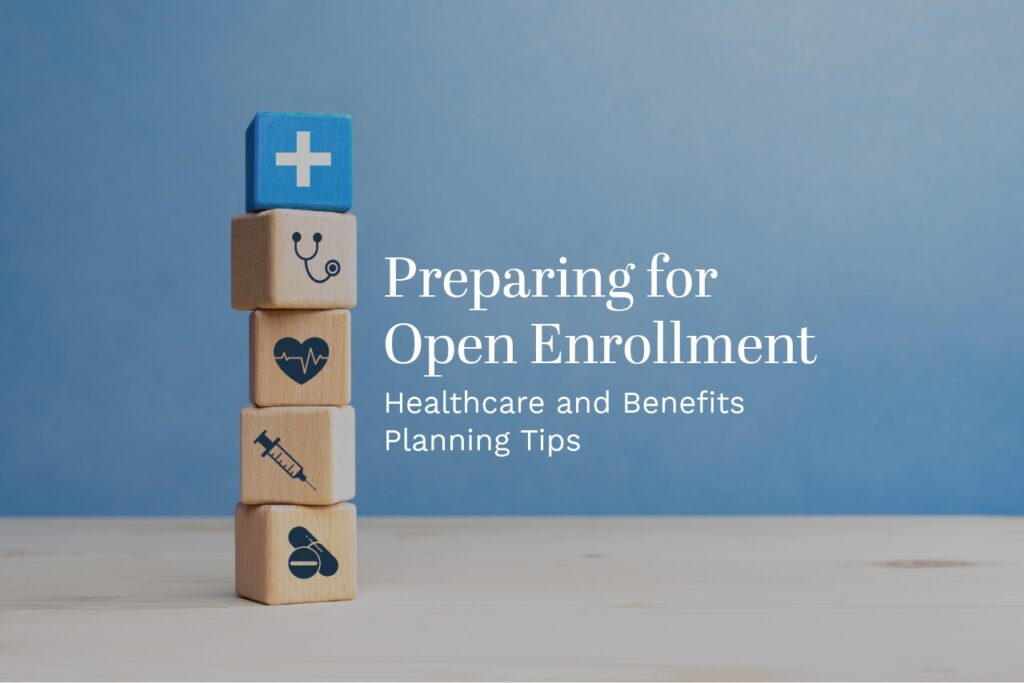
Healthcare Open Enrollment Tips for Making the Most of Your Benefits Open enrollment is an annual opportunity to review and adjust healthcare and benefits selections to align with individual and family needs. Whether you are choosing a health insurance plan, evaluating retirement contributions, or selecting additional benefits, preparation can help you make more beneficial decisions. Understanding your available options, assessing current coverage, and anticipating future needs are key steps in navigating open enrollment effectively. Here are some of the top healthcare open enrollment tips to review before you make your choices:
Creating a Retirement Budget: What You Need to Include

Retirement Budget Guidance for Long-Term Financial Stability Planning for retirement involves careful budgeting to help manage expenses and maintain financial stability. A well-structured retirement budget considers various income sources, anticipated expenses, and potential changes in spending patterns. By accounting for these factors, you can create a practical plan for managing your finances throughout retirement.
How to Set S.M.A.R.T. Financial Goals for Long-Term Success

Setting Effective Financial Goals for Sustainable Success Setting effective financial goals can help you create a structured approach to managing money and building long-term financial stability. One effective method for goal setting is using the S.M.A.R.T. framework, which stands for Specific, Measurable, Achievable, Relevant, and Time-Bound. This approach helps create clear and actionable financial objectives that you can track over time.